
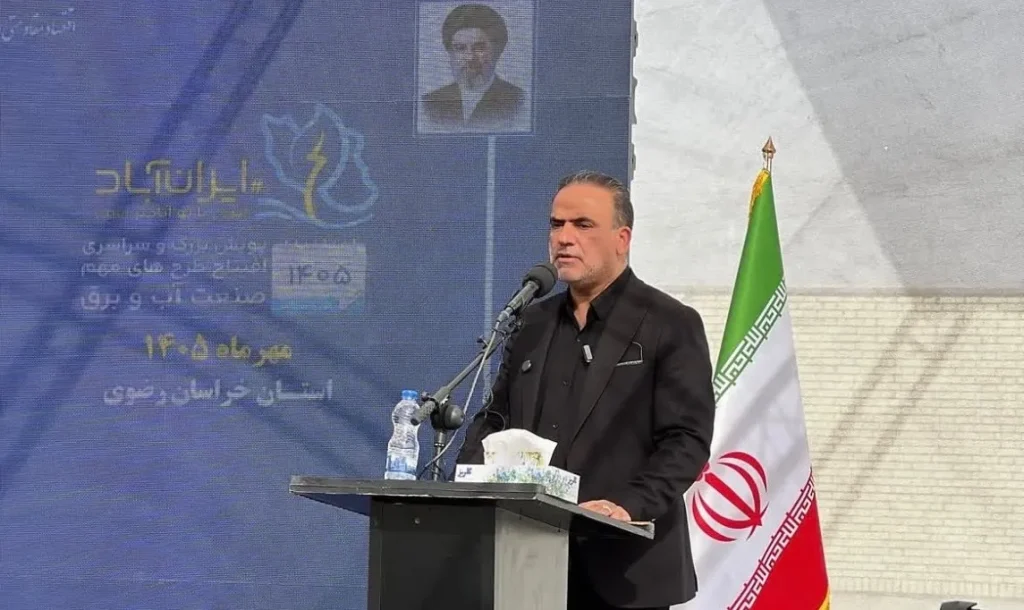
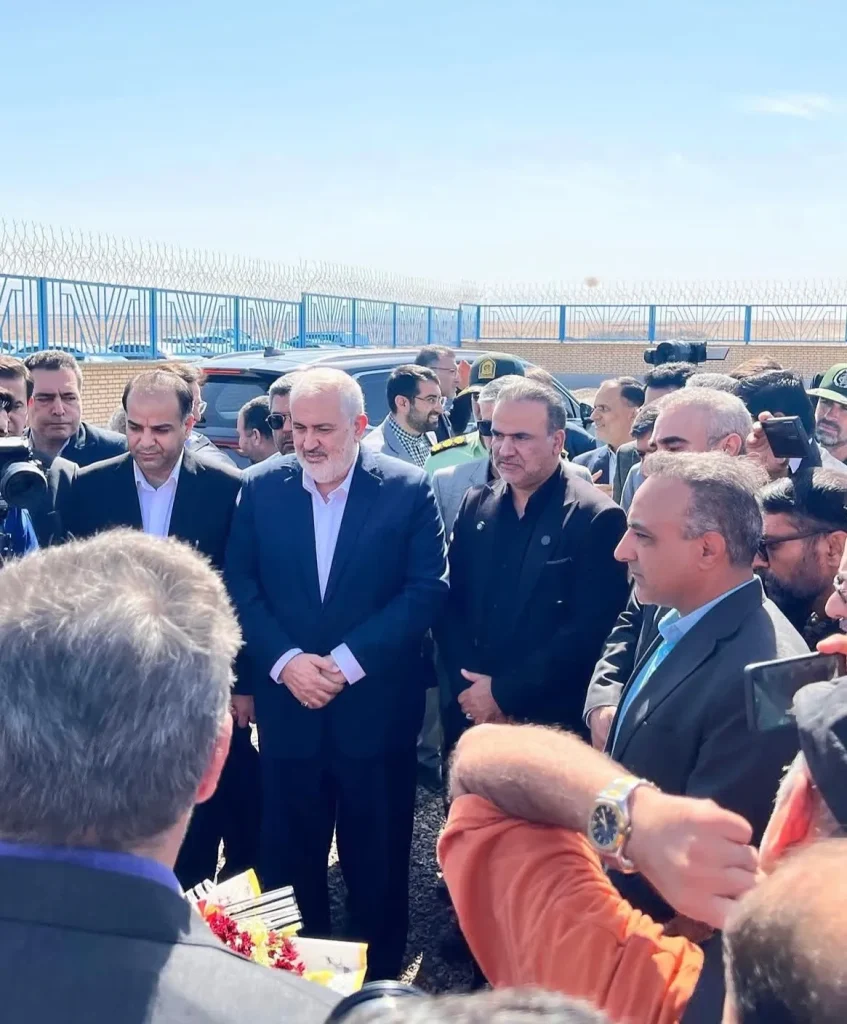
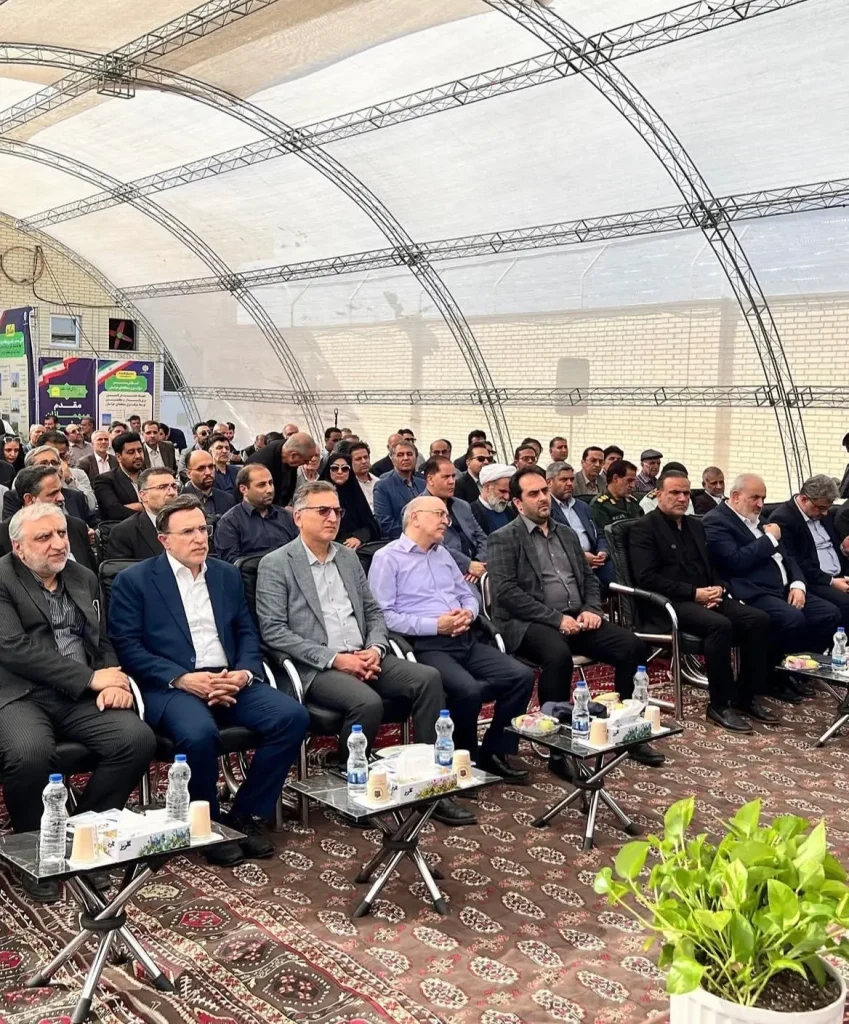
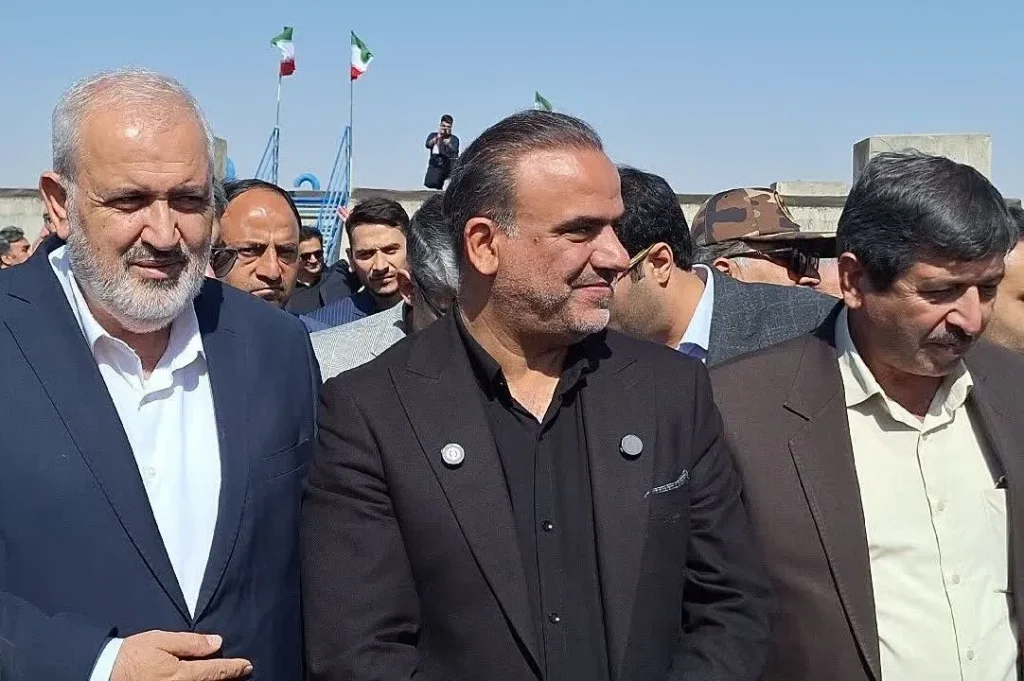
The Bajestan Integrated Water Supply and Water Quality Improvement Project was officially commissioned in the presence of Abbas Aliabadi, Minister of Energy. With an investment of IRR 3.3 trillion, the project includes a comprehensive set of measures for the supply, storage, transmission, treatment, and quality improvement of drinking water in Bajestan.
The project has been commissioned at a time when the quality and salinity of Bajestan’s drinking water have been among the major concerns of local residents and authorities in recent years. As a key component of the project, the Bajestan Water Quality Improvement System was implemented with an investment of more than IRR 1.8 trillion.
The Bajestan desalination plant, with a capacity of 3,000 cubic meters per day, was implemented by Payamavaran Nano Fanavari Fardanegar (PNF), drawing on the company’s specialized capabilities in the design, supply, construction, and commissioning of water treatment and desalination systems.
Advanced Technologies for Reliable Water Supply
Hamidreza Janbaz, Deputy Minister of Energy for Water and Wastewater Affairs, highlighted the quality of the water produced by the project during the commissioning ceremony and emphasized the use of advanced water treatment technologies. He also stressed the importance of water consumption management, particularly given the climatic conditions of Razavi Khorasan Province.
The commissioning of the Bajestan Integrated Water Supply Project brings together a range of measures in water supply, treatment, storage, and transmission within a single integrated project. This initiative strengthens the city’s infrastructure for providing higher-quality drinking water and represents an important step toward improving water supply services for the people of Bajestan.
Bajestan Desalination Plant: Two Treatment Trains with a Capacity of 3,000 m³/Day
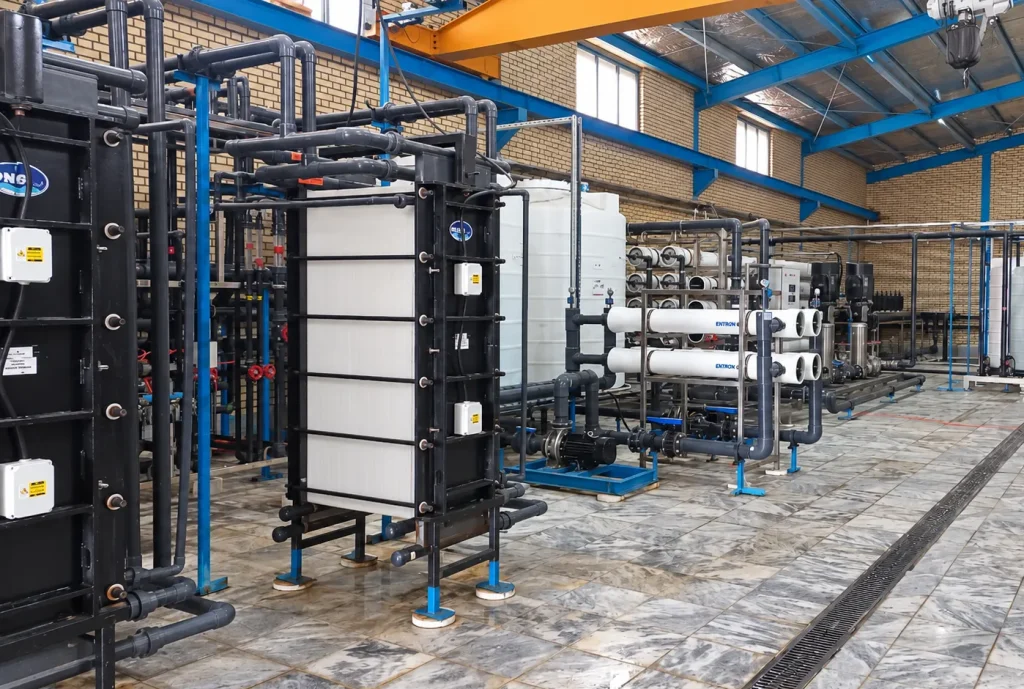
According to Hossein Emami, Managing Director of the Razavi Khorasan Water and Wastewater Company, the Bajestan Water Quality Improvement System consists of two treatment trains, each with a capacity of 1,500 cubic meters per day, giving the system a total production capacity of 3,000 cubic meters per day.
The system has been developed using Reverse Osmosis (RO), Electrodialysis Reversal (EDR), and self-cleaning pretreatment technologies to improve the quality of drinking water supplied to the city of Bajestan.
The capacity provided by the system is sufficient to meet the drinking water needs of approximately 14,000 residents of Bajestan, covering around 6,930 connections.
Simultaneous Development of Water Resources and Supply Infrastructure
The Bajestan Integrated Water Supply Project is not limited to the construction of the water quality improvement system. The project comprises four main components:
- Implementation of the water quality improvement system
- Drilling and equipping three wells with a combined capacity of 90 liters per second
- Construction of Pumping Stations No. 3 and 4
- Construction of a 3,000-cubic-meter water storage reservoir
These measures were implemented with the aim of increasing water supply capacity, improving drinking water quality, and strengthening the city’s water supply infrastructure.
During the commissioning ceremony, Hadi Mohammadpour, Secretary of the Economic Commission of the Iranian Parliament, referred to the water quality challenges facing Bajestan and described the desalination plant as one of the most important sustainable solutions for improving water quality in the region.
He also emphasized the need to continue complementary projects following the commissioning of the desalination system, highlighting issues such as wastewater management, consumption control, development of water resources, facility maintenance, and implementation of additional projects.
Hamidreza Davarkia, Governor of Bajestan, also pointed to the deterioration of parts of the city’s internal water distribution network and emphasized the importance of development and water quality improvement projects in addressing the region’s water supply challenges.
The commissioning of the Bajestan Integrated Water Supply Project brings together a comprehensive range of measures in water supply, treatment, storage, and transmission within a single integrated project. The project enhances the city’s infrastructure for supplying higher-quality drinking water and marks an important step toward improving water supply services for the people of Bajestan.